
What Professional Cleaners Notice That Most People Don’t
Most people clean based on what they can see.
If a surface looks fine at a glance, it usually gets a pass. That makes sense. When you are cleaning your own space, you are working around time, energy, and familiarity. You know where you sit, where you cook, and which rooms get the most use.
Professional cleaners look at spaces a little differently.
That difference is not about being pickier. It is about noticing patterns.
Wear shows up in the same places every time
In homes and workplaces, use follows predictable paths.
Hands go to the same handles. Light switches get touched dozens of times a day. Chairs get pushed in and pulled out. Corners near doorways collect dust faster than the middle of a room. These are not random messes. They are signs of how a space is actually lived in.
This is why professional cleaners spend time on edges, transitions, and touch points. Not because they are dramatic, but because those areas tell the truth about whether a space has really been cleaned.
Facilities management research consistently shows that high touch surfaces play an outsized role in how clean a space feels and functions. Guidance from organizations like the CDC highlights these areas for a reason. They affect both hygiene and perception.
What gets missed when people are rushing
When cleaning is rushed, the same things are missed again and again.
The side of a faucet.
The lip of a counter.
The edge of a door frame.
The area just behind a handle or hinge.
These are not hard to clean. They are just easy to overlook, especially if the goal is to finish quickly or move on to the next room.
Professional cleaners are trained to slow down at these points. Not everywhere, but in the places that tend to hold onto residue and wear. That extra attention is often the difference between a space that looks clean and one that holds up throughout the week.
Smell, texture, and sound matter too
Clean is not only visual.
Professionals pay attention to texture, smell, and even sound. Floors that still feel gritty underfoot. Cloth surfaces that hold onto odours. Doors or drawers that stick slightly because residue has built up where it is not immediately visible.
Environmental research on indoor spaces shows that sensory cues play a large role in how people perceive cleanliness and comfort, even when they cannot name what feels wrong. Subtle cues often register before obvious messes do.
This is part of why a space can feel off even when everything looks fine.
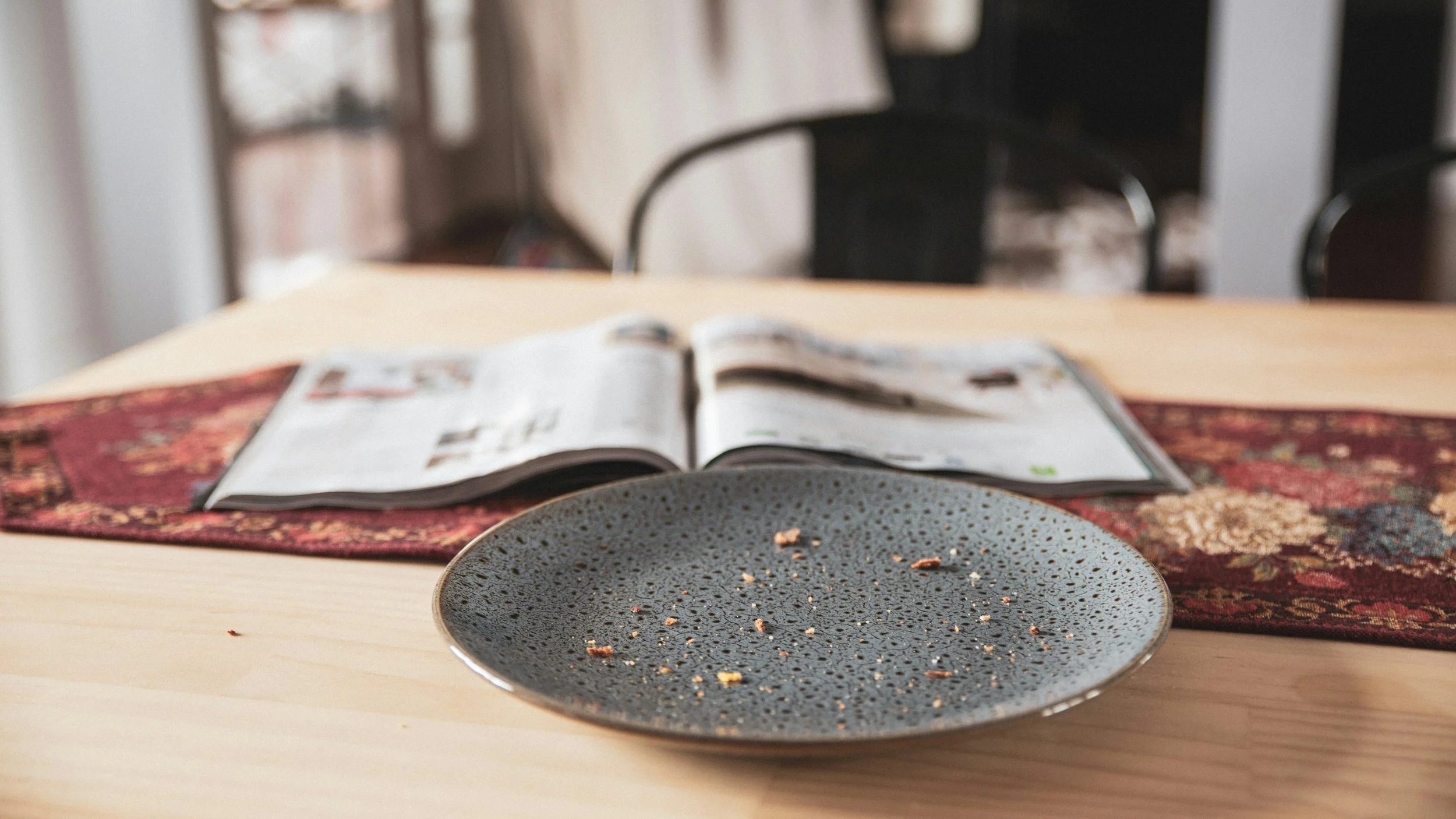
Familiarity changes what you notice
When you live or work in a space every day, your brain edits things out.
You stop noticing small marks or buildup because they have been there for a while. That is normal. It is how people adapt to their environments.
Professional cleaners come in without that familiarity. They are not used to the space, so small changes stand out. This fresh perspective makes it easier to spot things that slowly blend into the background for the people who use the space daily.
Why this matters for consistency
Cleaning once, thoroughly, feels good.
Cleaning consistently is what actually changes how a space feels long term.
Professional cleaners are trained to look for the same patterns every visit. They check the same problem areas, notice the same wear points, and adjust when something starts to build up faster than usual.
This is why consistency matters more than intensity. It is not about doing more in one visit. It is about preventing small issues from turning into persistent ones.
What this means for clients
A professional clean is not about perfection.
It is about understanding how spaces are used and responding to that use in a consistent way. It is about noticing the things that affect how a space feels day to day, even when they are easy to miss.
That attention to pattern is what allows a space to feel reliably clean, not just immediately tidy.